Share this post
Case Studies
4 mins
Owl Safaris | The Story Behind the Journey
.png)
By
Kim Middleton, OWL Safaris
Published
22 September 2026
There must be a special reason for the journey.
What is the travel story? What do I want the traveller to feel while experiencing it and, most importantly, what will they feel and remember when they return home?
For me, an itinerary is never just a collection of lodges, flights and activities, but a pre-told story that they can enjoy to the fullest!
The story should be unique and different for every client. It might be about discovering a new destination, following a particular species of interest, experiencing conservation first-hand, or simply creating an opportunity to deeply connect the local people and with nature.
.png)
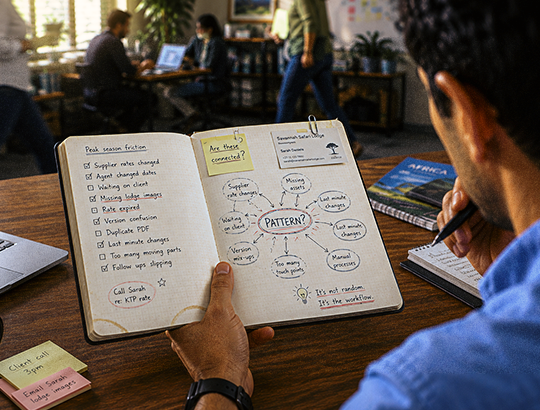
At OWL Safaris, I believe that my strength lies in creating genuine curiosity about Africa. I want my clients to know the people behind the experiences, what makes a lodge special, what the guides are enthusiastic about and what is happening beyond the obvious tourist experience.
That is also why content and storytelling are so important to me. A beautiful photograph might make someone stop scrolling, but a good story makes them want to go. Tell me about the guide who has spent 20 years in the area, the conservation project taking place behind the scenes, or the experience a traveller simply cannot have anywhere else. Those are the details I love to share with a client.
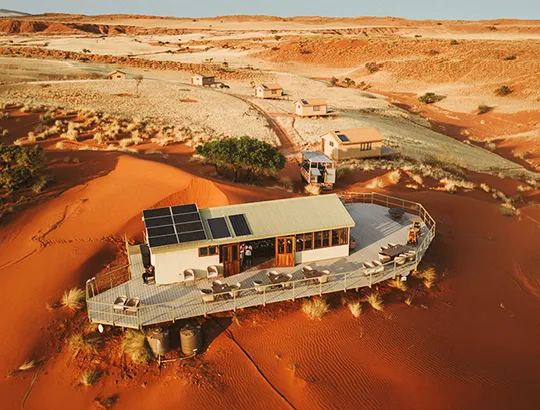
When suppliers send content, I therefore look for more than beautiful rooms and spectacular landscapes. Good photography and video are vitally important, but I want to see people, experiences, conservation, seasonal highlights and the little details that help me understand what it is really like to be there. As agents, we cannot visit every single place!
.png)
Content and images are also about managing expectations. The wrong photograph can unintentionally sell a completely different experience. Take Madagascar's Avenue of the Baobabs. A perfectly timed sunset photograph, with a single person walking between the trees, can make it look like a remote, silent and deeply spiritual wilderness. In reality, this is a very popular tourist attraction on a public road. Sunset is particularly busy, with vehicles, visitors, local vendors and people gathering for that iconic photograph.
That doesn't make the experience less special, it simply makes it different. Show the client the beautiful image but also tell them the truth: this is an extraordinary place, but you won't have it to yourself. They may then embrace the energy, colour, people and wonderful African buzz rather than feeling disappointed that reality doesn't match the photograph.
The same principle applies anywhere in the world. An idyllic image of turquoise ocean at sunrise may be completely genuine, yet the photograph may carefully exclude the busy road, dense neighbourhood or informal settlement just beyond the frame. The view is still beautiful. The experience can still be meaningful. But the client deserves to know the context.
.png)
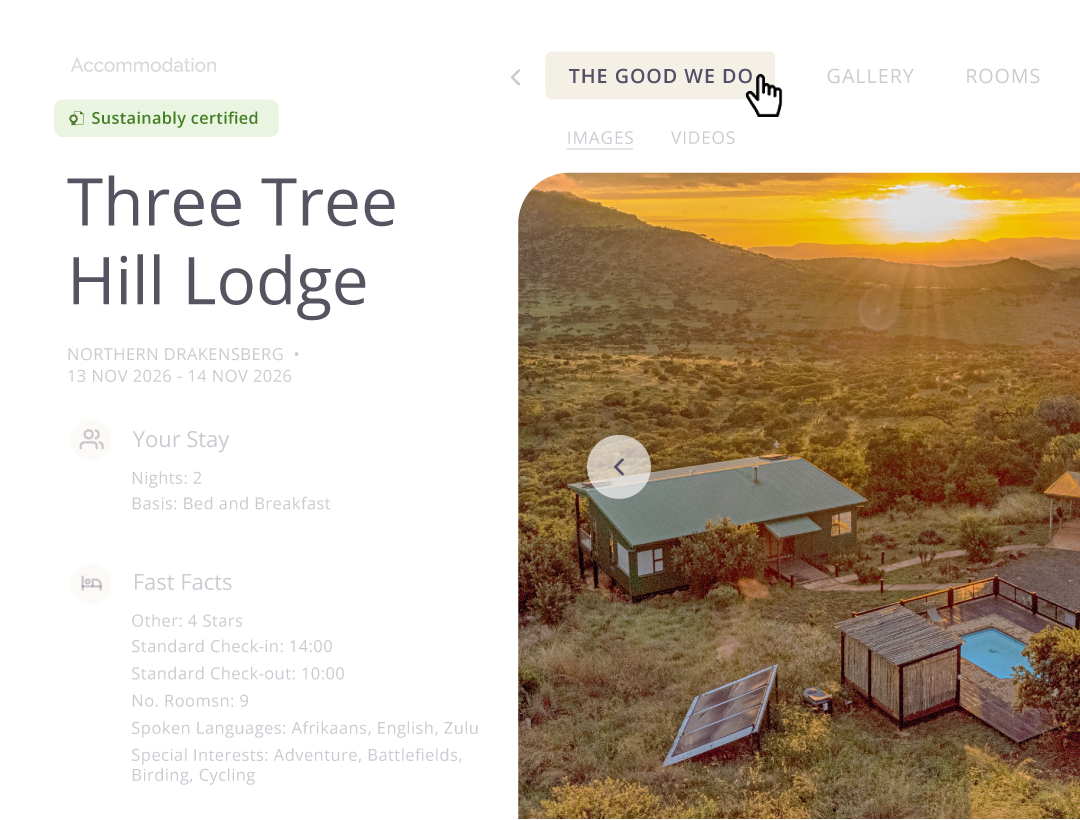
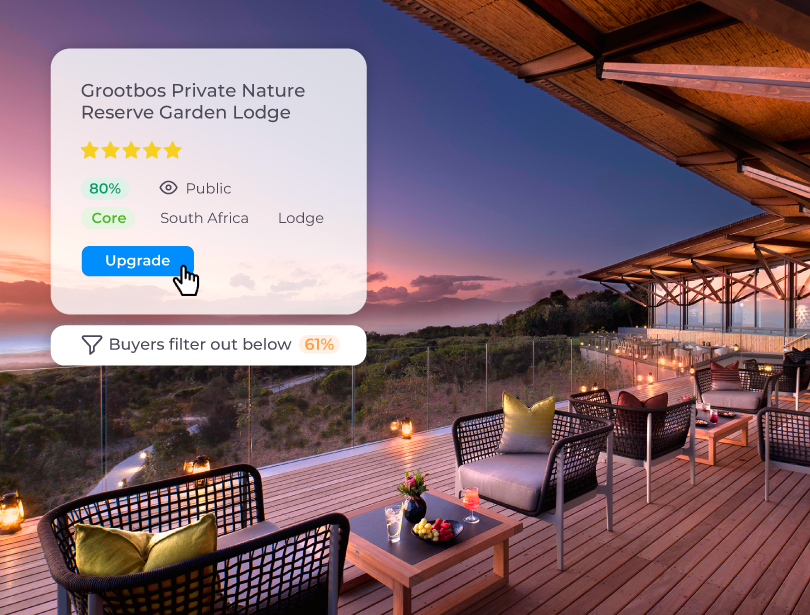
That is where WETU becomes extremely valuable to me; bringing all these individual elements together so I can turn information, imagery and experiences into a journey that my client can see, understand and get excited about before they even leave home. Authenticity is my biggest non-negotiable.
Africa is not a theme park, and we can't promise a leopard sighting, a tigerfish catch, a perfect sunset or elephants walking past camp at exactly the right moment. Responsible storytelling means presenting the magic without creating unrealistic expectations.
And my advice to suppliers is simple: don't just send me beautiful pictures. Tell me what makes your property or experience different. Tell me about your people, your conservation work, the kind of traveller who will love it, and be honest about the seasons, conditions and even the things that aren't perfect.
Because when I understand the experience, I can tell the story to my client. When they understand the story, they don't just want to visit Africa, they truly want to become part of it.
Case Studies
Blog
Keep the inspiration flowing
Explore related stories, tips, and updates to help you bring magic to your clients.