
The Wetu story
Wetu exists to enable the magic in travel.
Built on trust and collaboration, Wetu brings agents, operators and suppliers together to work smarter and create experiences that stand out.

Wetu’s ‘why’ was to solve a painful industry problem, replacing print brochures and CDs with digital content that suppliers could update instantly, and share with the trade.

The Wetu story
Wetu began when founder, Paul de Waal, set out to fix a problem the industry had quietly accepted for years. In the early 2000s, travel businesses were still stitching brochures, disks, and scattered files together to sell experiences, making accuracy hard and collaboration even harder.
Wetu today
Technology should be the enabler that makes way for the human touch that travel thrives on.
At our core, very little has changed. We still exist to empower trusted connections and collaboration across and between the travel trade to make their jobs easier every day. We still embrace a spirit of generosity, 'ours 'and openness in every customer conversation we have or product that we release.
We are genuinely energised by our customers success and that’s why our brand purpose is to enable the magic in travel.
We are genuinely energised by our customers success and that’s why our brand purpose is to enable the magic in travel.
Neethling du Toit
Chief Executive Officer


Our community
0
1
2
3
Regions
0
1
2
3
4
5
6
7
5
2
3
4
5
Employees
0
1
2
5
4
3
2
1
0
9
8
7
6
5
4
3
2
1
0
0
1
2
3
4
5
6
7
8
9
+
Customers
What we stand for
Our values

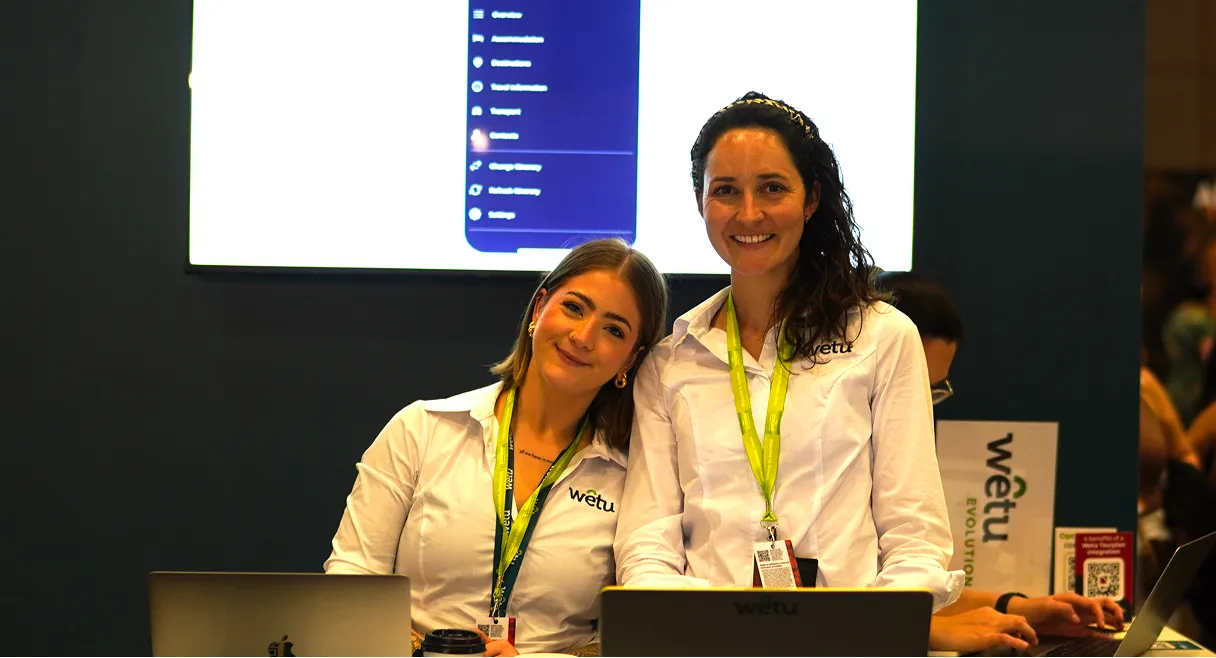
Respect
We see people as humans. We embrace diverse voices and care for each other.
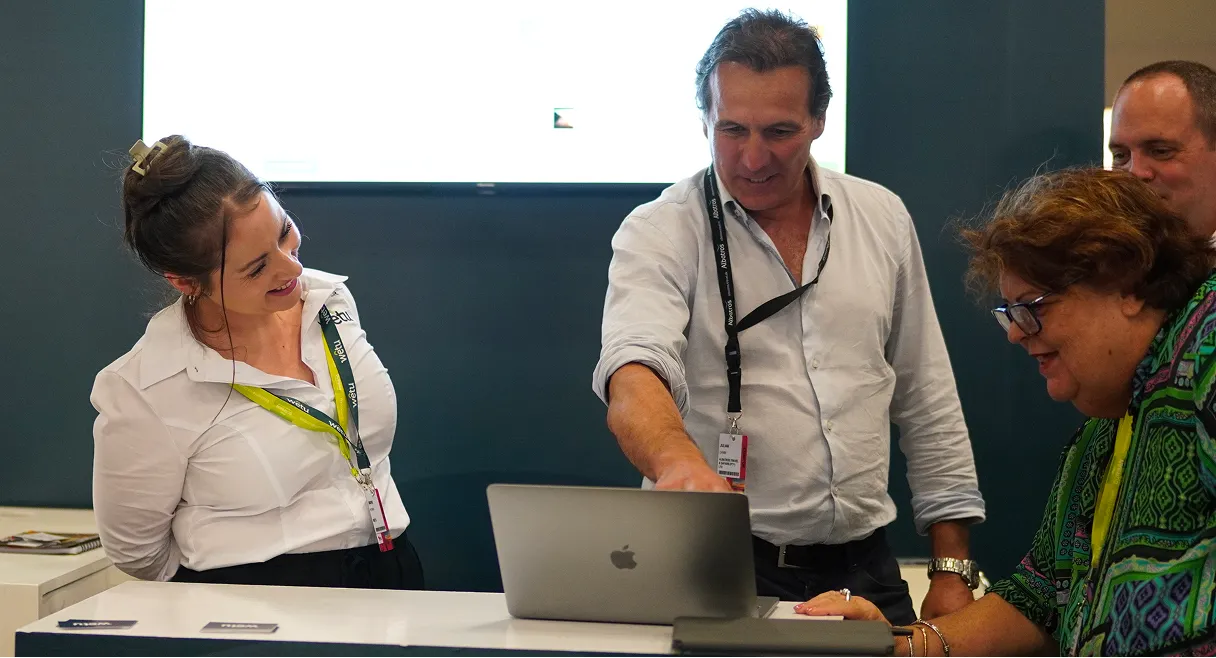
Integrity
We do the right thing for the right reasons, with transparency and in service of the bigger picture.
Learning
We stay curious, welcome feedback, and grow through every challenge.

Simplicity
We make the complex feel clear, purposeful, and easy to engage with.
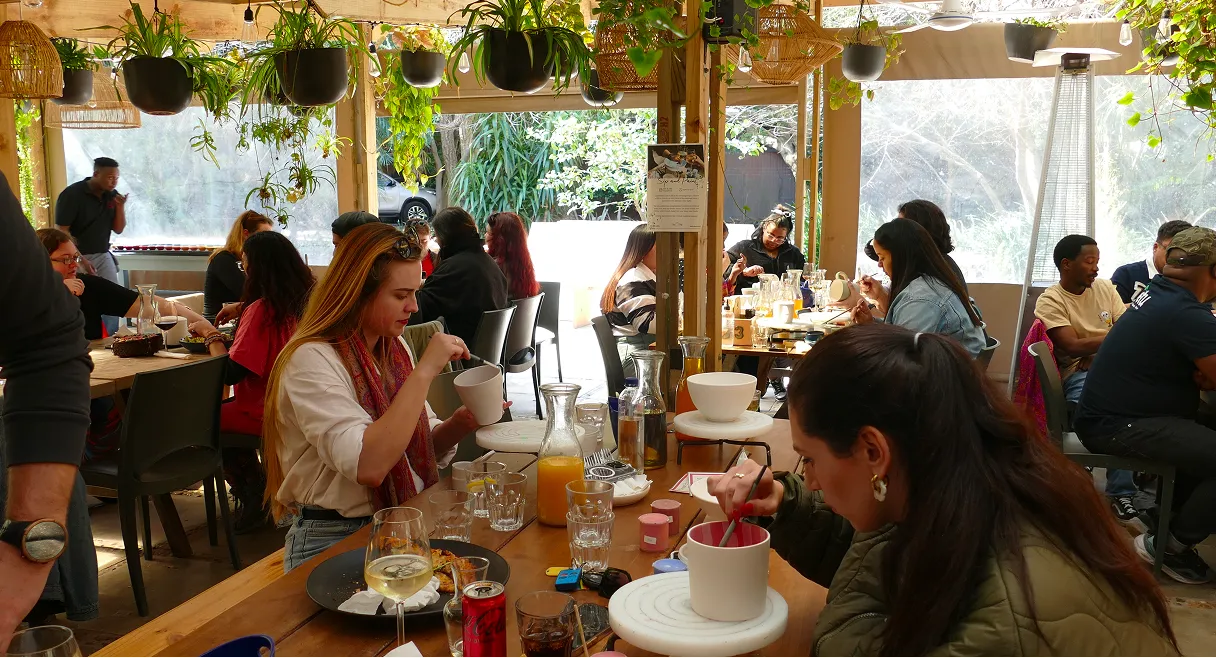
Planning
We care deeply about our work because it reflects who we are.
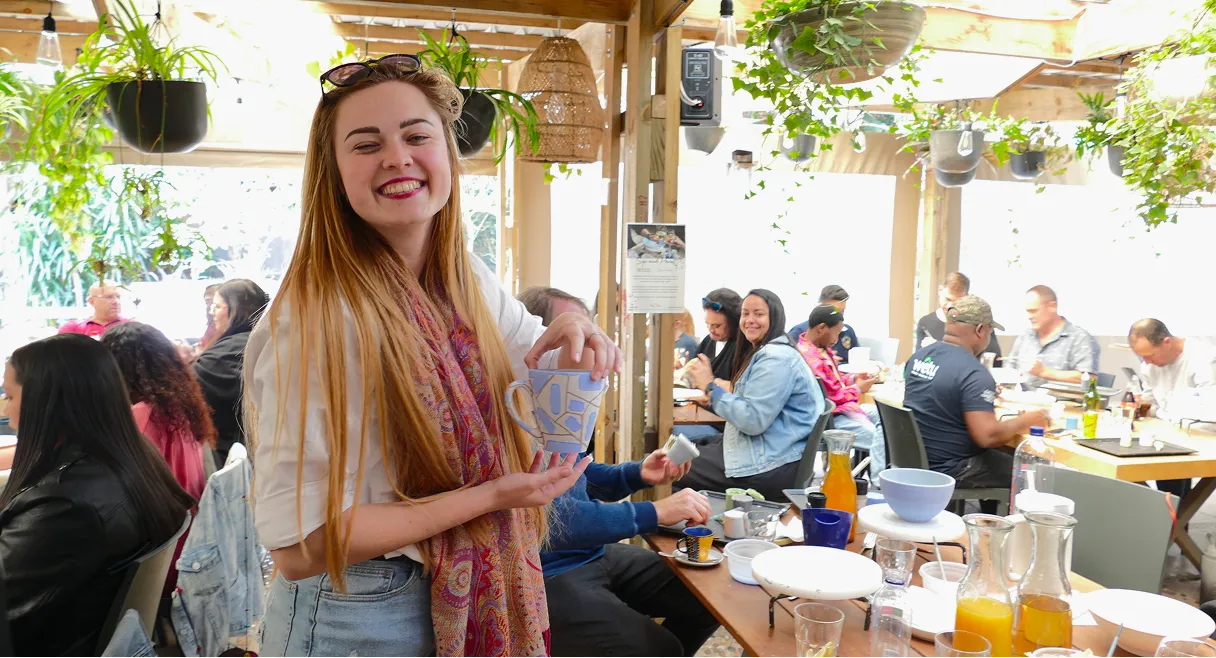
Courage
We lean into discomfort, speak honestly, and show up fully.


















“Wetu adds huge value – especially to smaller companies like ours. It’s professional, seamless and shows the client a beautiful, branded document. They love the visual presentation.”

Cathari Johnson
Reservations Manager

“We were one of the first clients and joined as we needed an itinerary builder that was visually appealing, and we have been here ever since.”

Christine van der Merwe
Co-owner

“A U.S. agent told me, ‘This is the best proposal I’ve received in 30 years.’ That’s when I knew we had something powerful with Wetu.”

Nayaz Noor
Co-owner

“By using Wetu’s digital iBrochures, our conversion rate is high – around 80%. We use Wetu for everything!”

Marinus Smith
Founder

“We continuously interact with and update the information on the system, from the beginning of the marketing process through the sales cycle, and even when clients embark on their travels.”

Deon de Villiers
Founder

“For me, Wetu is like a one-stop-shop. It’s almost a no-brainer. As long as I keep my content and images and everything on Wetu up to date, everything else is sorted.”

Teena Douglas
Group Sales Manager

“Wetu adds huge value – especially to smaller companies like ours. It’s professional, seamless and shows the client a beautiful, branded document. They love the visual presentation.”
Cathari Johnson
Reservations Manager
“We were one of the first clients and joined as we needed an itinerary builder that was visually appealing, and we have been here ever since.”
Christine van der Merwe
Co-owner
“A U.S. agent told me, ‘This is the best proposal I’ve received in 30 years.’ That’s when I knew we had something powerful with Wetu.”
Nayaz Noor
Co-owner
“By using Wetu’s digital iBrochures, our conversion rate is high – around 80%. We use Wetu for everything!”
Marinus Smith
Founder
“We continuously interact with and update the information on the system, from the beginning of the marketing process through the sales cycle, and even when clients embark on their travels.”
Deon de Villiers
Founder
“For me, Wetu is like a one-stop-shop. It’s almost a no-brainer. As long as I keep my content and images and everything on Wetu up to date, everything else is sorted.”
Teena Douglas
Group Sales Manager
